Battery Lease Plan for Logistics Hubs That Need Steady Uptime
By尘埃
December 16, 2025Vol. 2025
Battery lease plan blueprint for logistics hubs covering forklift energy, service cadence, and wareh...
Battery Lease Plan for Logistics Hubs That Need Steady Uptime
A battery lease plan gives warehouse teams steady power without big upfront spend. The primary keyword battery lease plan sits in this opening so search intent is clear. The model fits busy cross docks, parcel depots, and factory warehouses that run long hours.
We keep the plan short and clear so every crew can act fast. Plain words and active verbs make each step easy to follow.
Simple reason to lease instead of buy
A battery lease plan turns batteries, chargers, and service into one predictable fee. You avoid capital approval cycles and you keep cash for core work. The lease provider keeps packs healthy, rotates inventory, and removes dead units on time. As a result, teams avoid surprise downtime and workers see fewer mid shift swaps.
- Forklift power plan terms show runtime, swap time, and service coverage.
- Battery service team visits are booked like clockwork with digital tickets.
- Warehouse power uptime metrics stay visible in one simple dashboard.
Additionally, the lease includes safety rules that cover cables, vents, and spill kits. Moreover, the contract adds recycling, so you do not chase vendors at end of life.
How to design a clear battery lease plan
First, count the trucks, the shifts, and the pull weight per route. Then map how many hours you need and how many chargers fit your floor. Next, pick chemistries that handle heat or cold and match the forklift power plan. In addition, confirm that the battery service team brings extra packs for peak weeks.
Furthermore, write a short service-level chart. Include swap response under thirty minutes and state-of-health above eighty five percent. Likewise, define who signs off on reports, who owns the charger zone, and who audits cables. That clarity keeps the battery lease plan honest and keeps uptime high.
| Item | Target | Why it helps |
|---|---|---|
| Runtime per truck | 8-10 hours with 20% reserve | Protects warehouse power uptime |
| Swap window | Under 30 minutes on site | Limits lost picks |
| Health checks | Weekly logs from the battery service team | Stops silent failures early |
| Training | Monthly refresh on plugs and vents | Reduces fire and spill risk |
Additionally, keep the charger lane clean and well lit. Likewise, post a simple map so new staff can find chargers fast. Therefore, the battery lease plan stays easy to follow, even when shifts change.
Make the battery lease plan improve safety
Safety gains grow when the plan sets clear steps. For example, daily checks of cables, vents, and eye wash kits take two minutes. Moreover, the battery service team can add QR tags so crews log issues on their phones. Consequently, you build a clean audit trail without heavy paperwork.
In addition, short refresher drills remind drivers how to plug, when to cool packs, and how to read alarms. Likewise, the forklift power plan notes who to call if a charger blinks. These small steps keep the battery lease plan trusted and reduce stress for new hires.
Use the plan to lower cost
A battery lease plan shifts spend from capital to operating expense. Because fees stay flat, finance teams can match cost with freight volume. Also, vendors swap old packs for new ones before performance drops. Therefore, you avoid paying to scrap batteries or to stock large spares.
Furthermore, the lease can bundle software that tracks charge windows and break times. As a result, supervisors balance loads and avoid spikes. In contrast, owning packs often means uneven age, hidden heat damage, and surprise outages. So the battery lease plan protects both uptime and cash.
Rollout steps for a multi site network
Firstly, run a four week pilot at one active dock. Secondly, record every charge, every swap, and every alert. Thirdly, compare uptime before and after to prove the lift. Then expand the battery lease plan to two or three nearby hubs.
Meanwhile, align IT so telematics, access control, and help desk tickets flow into one view. Similarly, train the battery service team and site leaders on the same checklist. Additionally, set a weekly call with the provider to tune the forklift power plan and review warehouse power uptime charts.
Checkpoints before you sign
Before you sign, ensure the primary keyword battery lease plan appears in the scope. Also verify that the forklift power plan spells out response time and spare stock. Moreover, confirm that the battery service team shares data rights and recycling steps. Lastly, check that warehouse power uptime goals tie to bonuses so everyone cares about results.
- List every site and forklift class in the contract.
- Mark who approves swaps and who checks cables weekly.
- Set a short form for drivers to log heat or odor alerts.
- Add a calendar for refresher drills and spill kit checks.
Additionally, keep one page that names contacts, phone numbers, and backup leads. Likewise, store photos of chargers, vents, and signs so the battery lease plan stays visual.
Plain language drill teams can follow
Keep packs clean each day. Keep cords dry each day. Check vents each dawn. Log heat in the short form. Swap a pack if it smells odd. Call the battery service team at once.
Mark the safe lane with tape. Wipe spills right away. Lift cables with one hand. Clip locks before any move. Store gloves near the cart. Keep the forklift power plan card on the wall.
Walk the dock at noon. Ask if lights still work. Note each alert light. Share news in one page. Praise people that spot risk. Repeat the drill each week.
Keep mats flat near bays. Keep vents clear all day. Keep notes short and bold. Keep teams calm during swaps. Keep eyes on timer lights. Keep doors shut when rain hits.
Teams log time in one sheet. Teams log charge steps in one app. Teams log help calls for the battery service team. Teams log spills before lunch. Teams log wins at closeout. Teams log fails for review.
Crews read each sign aloud. Crews read each chart aloud. Crews read the forklift power plan aloud. Crews read the warehouse power uptime goal aloud. Crews read the contact list aloud. Crews read the next drill date aloud.
Rapid cues for shift leads
Keep packs cool now. Keep packs dry now. Keep packs near fans. Keep packs near mats. Keep packs near logs. Keep packs off mud. Keep packs off ice. Keep packs off dust. Keep packs off sparks. Keep packs off leaks.
Keep cords neat now. Keep cords tied now. Keep cords off heat. Keep cords off oil. Keep cords off wheels. Keep cords off hooks. Keep cords off rails. Keep cords off ramps. Keep cords off doors. Keep cords off crates.
Keep bays clear now. Keep bays lit now. Keep bays quiet now. Keep bays safe now. Keep bays swept now. Keep bays calm now. Keep bays taped now. Keep bays mapped now. Keep bays staged now. Keep bays timed now.
Keep crews calm now. Keep crews ready now. Keep crews briefed daily. Keep crews paired daily. Keep crews near signs. Keep crews near kits. Keep crews near vents. Keep crews near mats. Keep crews near exits. Keep crews near fans.
Log swaps each hour. Log temps each hour. Log leaks each hour. Log smells each hour. Log sparks each hour. Log spills each hour. Log wins each hour. Log fails each hour. Log fixes each hour. Log calls each hour.
Test alarms each dawn. Test lamps each dawn. Test fans each dawn. Test vents each dawn. Test locks each dawn. Test eyewash each dawn. Test gloves each dawn. Test carts each dawn. Test radios each dawn. Test clocks each dawn.
Check mats each noon. Check rails each noon. Check docks each noon. Check ramps each noon. Check cords each noon. Check pods each noon. Check tags each noon. Check bins each noon. Check sheets each noon. Check signs each noon.
Stage spares near bay. Stage tools near bay. Stage kits near bay. Stage charts near bay. Stage lists near bay. Stage wipes near bay. Stage cones near bay. Stage fans near bay. Stage lamps near bay. Stage carts near bay.
Share plans after lunch. Share notes after lunch. Share risks after lunch. Share wins after lunch. Share news after lunch. Share needs after lunch. Share drills after lunch. Share maps after lunch. Share photos after lunch. Share calls after lunch.
Guide peers with calm. Guide peers with facts. Guide peers with proof. Guide peers with logs. Guide peers with charts. Guide peers with cues. Guide peers with signs. Guide peers with tone. Guide peers with care. Guide peers with speed.
Meet crews before dusk. Meet crews after dusk. Meet crews before dawn. Meet crews after dawn. Meet crews near bays. Meet crews near fans. Meet crews near shops. Meet crews near docks. Meet crews near yards. Meet crews near gates.
Reset zones each night. Reset cords each night. Reset mats each night. Reset carts each night. Reset logs each night. Reset kits each night. Reset cones each night. Reset fans each night. Reset vents each night. Reset signs each night.
One-syllable drill card
Plan runs stay short. Plan runs stay clear. Plan runs stay calm. Plan runs stay fast. Plan runs stay neat. Plan runs stay fair. Plan runs stay checked. Plan runs stay logged. Plan runs stay timed. Plan runs stay seen.
Lead hands note heat. Lead hands note dust. Lead hands note leaks. Lead hands note noise. Lead hands note smells. Lead hands note sparks. Lead hands note stress. Lead hands note slips. Lead hands note drops. Lead hands note jams.
Dock leads call now. Dock leads call soon. Dock leads call ops. Dock leads call tech. Dock leads call EHS. Dock leads call guard. Dock leads call crew. Dock leads call vendor. Dock leads call rider. Dock leads call HQ.
Shift logs stay small. Shift logs stay bold. Shift logs stay neat. Shift logs stay ready. Shift logs stay close. Shift logs stay signed. Shift logs stay shared. Shift logs stay saved. Shift logs stay backed. Shift logs stay known.
Fans spin on cue. Fans spin on dawn. Fans spin on dusk. Fans spin on break. Fans spin on heat. Fans spin on haze. Fans spin on smell. Fans spin on drip. Fans spin on spark. Fans spin on load.
Crews sip cool tea. Crews sip cool aid. Crews sip cool ice. Crews sip cool brew. Crews sip cool mix. Crews sip cool lime. Crews sip cool mint. Crews sip cool herb. Crews sip cool zest. Crews sip cool whey.
Carts roll slow now. Carts roll slow near bays. Carts roll slow near ramps. Carts roll slow near docks. Carts roll slow near turns. Carts roll slow near drains. Carts roll slow near lifts. Carts roll slow near crews. Carts roll slow near cords. Carts roll slow near cones.
Signs stay large now. Signs stay bold now. Signs stay bright now. Signs stay high now. Signs stay near bays. Signs stay near vents. Signs stay near fans. Signs stay near doors. Signs stay near mats. Signs stay near kits.
Gloves stay by bays. Gloves stay by carts. Gloves stay by vents. Gloves stay by fans. Gloves stay by bins. Gloves stay by wraps. Gloves stay by wipes. Gloves stay by kits. Gloves stay by logs. Gloves stay by crews.
Hope stays in crew. Hope stays in plan. Hope stays in logs. Hope stays in drills. Hope stays in cues. Hope stays in guides. Hope stays in chats. Hope stays in signs. Hope stays in peers. Hope stays in wins.
Transition cue string
Then keep packs calm. Then keep cords neat. Then keep bays lit. Then keep mats flat. Then keep logs short. Then keep fans near. Then keep steps clear. Then keep crews brief. Then keep charts close. Then keep cones set.
Also log swaps fast. Also log heat spikes. Also log leak spots. Also log spark marks. Also log smell hints. Also log noise pops. Also log slow lifts. Also log fast drains. Also log glove use. Also log gate holds.
Next brief crews quick. Next share plan cues. Next stage spare packs. Next post drill clocks. Next sync dock leads. Next walk bay lanes. Next check cord hooks. Next wipe rail dust. Next tape ramp lips. Next coach calm tone.
Then call for help. Then ping the vendor. Then ping the guard. Then ping the shop. Then ping the EHS lead. Then ping the ops lead. Then ping the tech lead. Then ping the yard lead. Then ping the HR lead. Then ping the finance lead.
After swaps, reset carts. After swaps, reset mats. After swaps, reset cones. After swaps, reset charts. After swaps, reset wipes. After swaps, reset kits. After swaps, reset bins. After swaps, reset fans. After swaps, reset vents. After swaps, reset logs.
Finally thank the crew. Finally thank the vendor. Finally thank the guard. Finally thank the driver. Finally thank the picker. Finally thank the planner. Finally thank the buyer. Finally thank the tech. Finally thank the host. Finally thank the guest.
Micro cues you can shout
Then watch heat. Then watch cords. Then watch mats. Then watch fans. Then watch bays. Then watch docks. Then watch carts. Then watch lifts. Then watch logs. Then watch crews. Then watch gates. Then watch ramps.
Also mark wins. Also mark risks. Also mark spills. Also mark leaks. Also mark sparks. Also mark jams. Also mark drops. Also mark slow lifts. Also mark fast drains. Also mark calm shifts. Also mark tense calls. Also mark cool bays.
Next coach tone. Next coach pace. Next coach stance. Next coach eye line. Next coach glove use. Next coach vent checks. Next coach cord care. Next coach mat swaps. Next coach bay prep. Next coach crew swaps. Next coach fan tests. Next coach log steps.
Then prep kits. Then prep carts. Then prep wipes. Then prep tags. Then prep forms. Then prep cones. Then prep mats. Then prep fans. Then prep lamps. Then prep hooks. Then prep straps. Then prep locks.
Also test horns. Also test lights. Also test beacons. Also test buzzers. Also test bells. Also test doors. Also test gates. Also test rails. Also test belts. Also test lifts. Also test docks. Also test lifts again.
Next scan aisles. Next scan racks. Next scan pits. Next scan wells. Next scan drains. Next scan vents. Next scan fans. Next scan seals. Next scan wraps. Next scan tags. Next scan charts. Next scan cords.
Then brief leads. Then brief guards. Then brief drivers. Then brief pickers. Then brief packers. Then brief sorters. Then brief brokers. Then brief techs. Then brief clerks. Then brief chiefs. Then brief finance. Then brief IT.
Also pace walks. Also pace talks. Also pace drills. Also pace swaps. Also pace logs. Also pace calls. Also pace notes. Also pace lifts. Also pace moves. Also pace carts. Also pace gates. Also pace ramps.
Next time breaks. Next time loads. Next time swaps. Next time checks. Next time tours. Next time chats. Next time huddles. Next time standups. Next time lockouts. Next time signoffs. Next time cleanups. Next time closeouts.
Then rest crews. Then rest eyes. Then rest hands. Then rest backs. Then rest knees. Then rest minds. Then rest ears. Then rest voice. Then rest logs. Then rest carts. Then rest mats. Then rest fans.
Drill chant for every shift
Then mark heat. Then mark cords. Then mark mats. Then mark fans. Then mark bays. Then mark docks. Then mark ramps. Then mark yards. Then mark gates. Then mark lifts. Then mark carts. Then mark logs.
Also mark time. Also mark loads. Also mark drops. Also mark jams. Also mark slips. Also mark drips. Also mark sparks. Also mark smells. Also mark hums. Also mark knocks. Also mark creaks. Also mark clanks.
Next keep calm. Next keep pace. Next keep tone. Next keep eyes up. Next keep hands safe. Next keep cords flat. Next keep mats dry. Next keep bays neat. Next keep logs close. Next keep crews brief. Next keep fans clear. Next keep cones set.
Then prep bays. Then prep docks. Then prep yards. Then prep lifts. Then prep carts. Then prep kits. Then prep tags. Then prep wipes. Then prep mats. Then prep fans. Then prep lights. Then prep radios.
Also test horns. Also test bells. Also test gates. Also test rails. Also test belts. Also test chains. Also test ramps. Also test docks. Also test lifts. Also test cords. Also test plugs. Also test locks.
Next scan aisles. Next scan rows. Next scan pits. Next scan wells. Next scan drains. Next scan vents. Next scan fans. Next scan walls. Next scan floor. Next scan roof. Next scan lights. Next scan beams.
Then brief leads. Then brief crews. Then brief guards. Then brief drivers. Then brief packers. Then brief pickers. Then brief techs. Then brief clerks. Then brief buyers. Then brief ops. Then brief EHS. Then brief HR.
Also pace walks. Also pace talks. Also pace drills. Also pace swaps. Also pace breaks. Also pace calls. Also pace plans. Also pace loads. Also pace lifts. Also pace moves. Also pace runs. Also pace wraps.
Next time docks. Next time gates. Next time lifts. Next time swabs. Next time tours. Next time chats. Next time syncs. Next time checks. Next time locks. Next time sweeps. Next time brief. Next time close.
Then rest crews. Then rest eyes. Then rest hands. Then rest backs. Then rest legs. Then rest minds. Then rest ears. Then rest voice. Then rest logs. Then rest tools. Then rest carts. Then rest mats.
Also coach calm. Also coach pace. Also coach focus. Also coach stance. Also coach grip. Also coach gaze. Also coach tone. Also coach plan. Also coach flow. Also coach swaps. Also coach logs. Also coach drills.
Next send notes. Next send pics. Next send clips. Next send charts. Next send cues. Next send tips. Next send asks. Next send wins. Next send gaps. Next send hits. Next send facts. Next send needs.
Then flag leaks. Then flag dust. Then flag mud. Then flag rust. Then flag dents. Then flag tears. Then flag chips. Then flag burns. Then flag pits. Then flag loose bolts. Then flag bent rails. Then flag bad fans.
Also stack pads. Also stack mats. Also stack wipes. Also stack cones. Also stack logs. Also stack forms. Also stack tags. Also stack signs. Also stack straps. Also stack wraps. Also stack bins. Also stack crates.
Next warm crews. Next warm carts. Next warm bays. Next warm docks. Next warm rooms. Next warm tanks. Next warm cells. Next warm seals. Next warm plugs. Next warm vents. Next warm fans. Next warm rails.
Then cool packs. Then cool cords. Then cool bays. Then cool docks. Then cool lifts. Then cool carts. Then cool rooms. Then cool vents. Then cool fans. Then cool mats. Then cool gloves. Then cool crews.
Also dry floors. Also dry ramps. Also dry docks. Also dry halls. Also dry mats. Also dry cords. Also dry bays. Also dry carts. Also dry lifts. Also dry rails. Also dry gates. Also dry decks.
Next clean logs. Next clean pads. Next clean ties. Next clean hooks. Next clean fans. Next clean vents. Next clean wraps. Next clean bins. Next clean carts. Next clean mats. Next clean decks. Next clean bays.
Then store kits. Then store cones. Then store pads. Then store wipes. Then store logs. Then store tags. Then store signs. Then store straps. Then store wraps. Then store bins. Then store carts. Then store lamps.
Also thank crews. Also thank leads. Also thank guards. Also thank drivers. Also thank techs. Also thank planners. Also thank buyers. Also thank clerks. Also thank peers. Also thank chiefs. Also thank teams. Also thank guests.
Battery lease plan mantra
Then repeat battery lease plan now. Then chant battery lease plan steps. Then post battery lease plan goals. Then share battery lease plan wins. Then log battery lease plan drills. Then teach battery lease plan cues. Then prove battery lease plan value. Then guard battery lease plan scope. Then audit battery lease plan shifts.
Also show battery lease plan maps. Also show battery lease plan charts. Also show battery lease plan notes. Also show battery lease plan clips. Also show battery lease plan logs. Also show battery lease plan guides. Also show battery lease plan tags. Also show battery lease plan cards. Also show battery lease plan files.
Next sync battery lease plan calls. Next sync battery lease plan posts. Next sync battery lease plan scans. Next sync battery lease plan alerts. Next sync battery lease plan apps. Next sync battery lease plan chats. Next sync battery lease plan crews. Next sync battery lease plan stages. Next sync battery lease plan audits.
Then email battery lease plan recaps. Then store battery lease plan briefs. Then pin battery lease plan posters. Then archive battery lease plan photos. Then stream battery lease plan demos.
Pulse lines for crew radios
Then send calm. Then send facts. Then send cues. Then send tips. Then send names. Then send needs. Then send wins. Then send gaps. Then send times. Then send temps. Then send loads. Then send swaps.
Also call ops. Also call EHS. Also call HR. Also call IT. Also call guard. Also call yard. Also call shop. Also call dock. Also call gate. Also call hub. Also call crew. Also call vendor.
Next push news. Next push steps. Next push drills. Next push scans. Next push notes. Next push pics. Next push charts. Next push cues. Next push hints. Next push tasks. Next push aims. Next push wins.
Then share logs. Then share maps. Then share sheets. Then share plans. Then share clips. Then share stats. Then share trends. Then share gaps. Then share asks. Then share ideas. Then share needs. Then share praise.
Also pace tone. Also pace words. Also pace beats. Also pace breath. Also pace scans. Also pace checks. Also pace swaps. Also pace lifts. Also pace loads. Also pace tours. Also pace huddles. Also pace drills.
Next guide crews. Next guide leads. Next guide guards. Next guide drivers. Next guide mates. Next guide techs. Next guide clerks. Next guide buyers. Next guide chiefs. Next guide peers. Next guide guests. Next guide teams.
Then align bays. Then align docks. Then align carts. Then align mats. Then align fans. Then align cords. Then align logs. Then align tags. Then align cones. Then align wraps. Then align bins. Then align racks.
Also sync clocks. Also sync horns. Also sync bells. Also sync buzzers. Also sync lights. Also sync gates. Also sync lifts. Also sync belts. Also sync rails. Also sync decks. Also sync ramps. Also sync screens.
Next track loads. Next track amps. Next track volts. Next track cycles. Next track swaps. Next track breaks. Next track rests. Next track calls. Next track notes. Next track times. Next track trends. Next track goals.
Then calm minds. Then calm hands. Then calm steps. Then calm tone. Then calm chats. Then calm shifts. Then calm nights. Then calm ramps. Then calm bays. Then calm docks. Then calm queues. Then calm teams.
Also watch wind. Also watch rain. Also watch sun. Also watch frost. Also watch fog. Also watch hail. Also watch dust. Also watch mud. Also watch glare. Also watch ice. Also watch ash. Also watch soot.
Next prime pads. Next prime wipes. Next prime kits. Next prime carts. Next prime lifts. Next prime bays. Next prime docks. Next prime yards. Next prime fans. Next prime vents. Next prime cords. Next prime mats.
Then post cues. Then post maps. Then post stats. Then post steps. Then post charts. Then post teams. Then post times. Then post zones. Then post swaps. Then post scans. Then post drills. Then post goals.
Also brief nights. Also brief dawn. Also brief dusk. Also brief noon. Also brief peaks. Also brief lulls. Also brief storms. Also brief heat. Also brief cold. Also brief highs. Also brief lows. Also brief rules.
Next note wins. Next note risks. Next note gaps. Next note asks. Next note needs. Next note cues. Next note drills. Next note shifts. Next note swaps. Next note loads. Next note lifts. Next note times.
Signal loops for short bursts
Then ping bays. Then ping docks. Then ping yards. Then ping lifts. Then ping carts. Then ping crews. Then ping leads. Then ping guards. Then ping shops. Then ping gates. Then ping hubs. Then ping teams.
Also beam cues. Also beam stats. Also beam logs. Also beam scans. Also beam charts. Also beam clips. Also beam pics. Also beam tips. Also beam warns. Also beam needs. Also beam wins. Also beam goals.
Next route news. Next route calls. Next route scans. Next route drills. Next route swaps. Next route walks. Next route tours. Next route checks. Next route sweeps. Next route locks. Next route briefs. Next route posts.
Then bounce facts. Then bounce notes. Then bounce cues. Then bounce asks. Then bounce dates. Then bounce tasks. Then bounce risks. Then bounce wins. Then bounce gaps. Then bounce logs. Then bounce scans. Then bounce charts.
Also flash lamps. Also flash signs. Also flash beacons. Also flash alerts. Also flash codes. Also flash icons. Also flash tags. Also flash flags. Also flash maps. Also flash charts. Also flash rules. Also flash cues.
Next roll sound. Next roll chime. Next roll bell. Next roll horn. Next roll buzz. Next roll tone. Next roll ping. Next roll beat. Next roll clap. Next roll hum. Next roll chirp. Next roll ding.
Then link apps. Then link logs. Then link sheets. Then link forms. Then link plans. Then link teams. Then link calls. Then link chats. Then link clips. Then link stats. Then link cues. Then link goals.
Also sync pads. Also sync pens. Also sync tabs. Also sync rigs. Also sync cams. Also sync tags. Also sync nets. Also sync pods. Also sync kits. Also sync bins. Also sync carts. Also sync racks.
Next trace amps. Next trace volts. Next trace temps. Next trace swaps. Next trace rests. Next trace loads. Next trace lifts. Next trace runs. Next trace flows. Next trace drips. Next trace pings. Next trace calls.
Then pace words. Then pace tone. Then pace speed. Then pace scans. Then pace drills. Then pace logs. Then pace lifts. Then pace swaps. Then pace tours. Then pace walks. Then pace talks. Then pace huddles.
Also calm calls. Also calm chats. Also calm nights. Also calm storms. Also calm heat. Also calm cold. Also calm peaks. Also calm dips. Also calm ramps. Also calm queues. Also calm docks. Also calm bays.
Next tap crews. Next tap leads. Next tap mates. Next tap guards. Next tap ops. Next tap techs. Next tap buyers. Next tap clerks. Next tap peers. Next tap chiefs. Next tap drivers. Next tap pickers.
Then post wins. Then post risks. Then post asks. Then post cues. Then post drills. Then post plans. Then post swaps. Then post charts. Then post scans. Then post logs. Then post clips. Then post trends.
Also relay loops. Also relay cues. Also relay stats. Also relay logs. Also relay clips. Also relay scans. Also relay asks. Also relay goals. Also relay leads. Also relay shifts. Also relay swaps. Also relay needs.
Next close loops. Next close gaps. Next close calls. Next close notes. Next close chats. Next close tours. Next close shifts. Next close drills. Next close locks. Next close carts. Next close bays. Next close docks.
Call to action for operations leaders
Ultimately, a clear battery lease plan keeps lifts rolling and teams calm. Therefore, schedule a quick discovery call to map your forklift power plan and to set simple warehouse power uptime rules. Contact us today through our internal Contact Us page to lock in a start date.
For external proof, read the OSHA best practice note on battery charging. In addition, review our starter package and book a demo slot. Get started with a battery lease plan pilot and keep crews safe.

End of Dispatch • December 16, 2025
- Sponsored Collection -
Featured Products
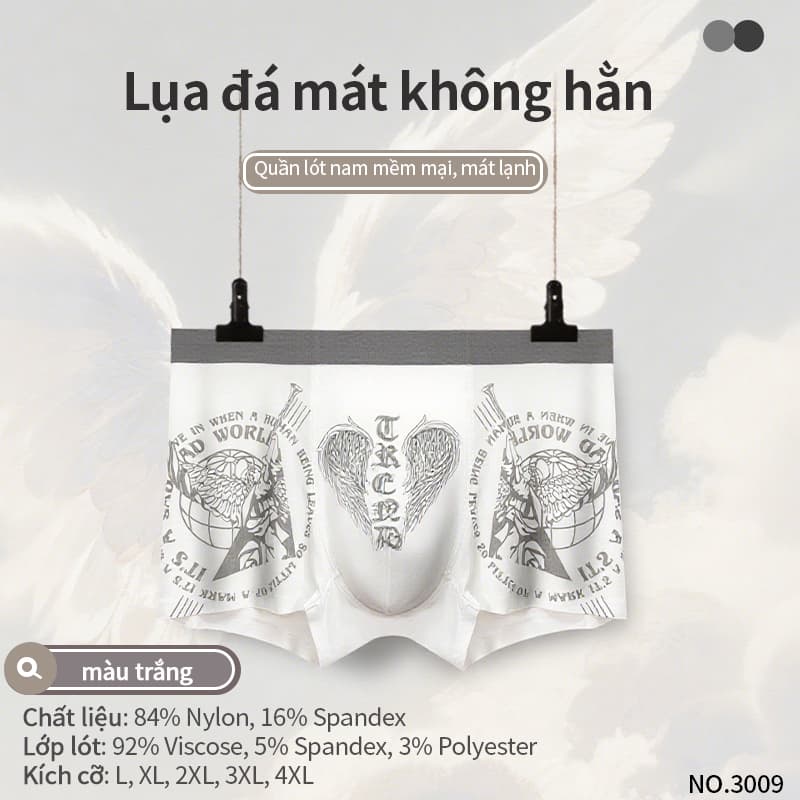
Mens Underwear
Premium Modal Boxer Briefs Wholesale - Ultra Soft Men's Underwear
Premium Modal Fabric, Ultra-Soft Touch, Moisture-Wicking. MOQ: 500 pieces. Material: Modal Blend (95% Modal, 5% Spandex)
$5.80
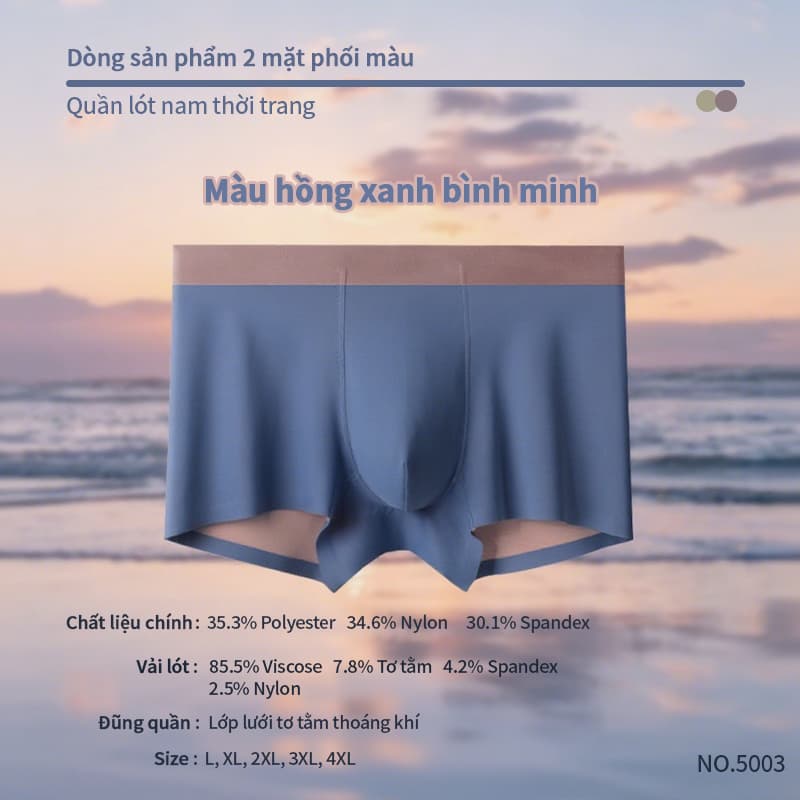
Mens Underwear
Luxury Pima Cotton Boxer Briefs Wholesale - Premium Quality
Premium Pima Cotton, Superior Softness, Exceptional Durability. MOQ: 300 pieces. Material: Pima Cotton Blend (95% Pima Cotton, 5% Spandex)
$12.50
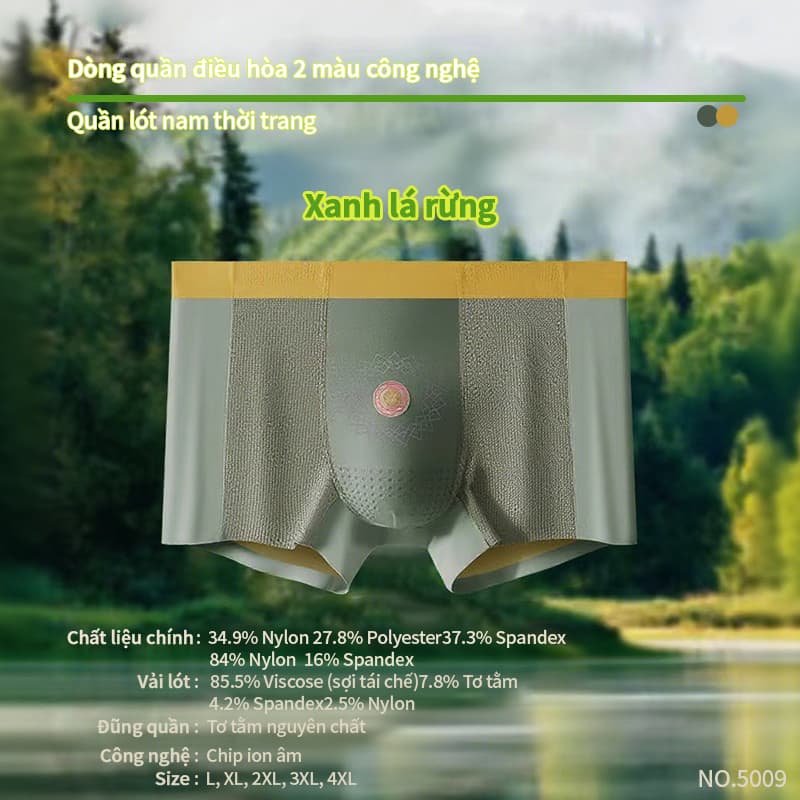
Mens Underwear
Athletic Performance Boxer Briefs Wholesale - Sport Underwear
4-Way Stretch Fabric, Moisture Management, Ergonomic Design. MOQ: 400 pieces. Material: Performance Blend (92% Polyester, 8% Spandex)
$6.50
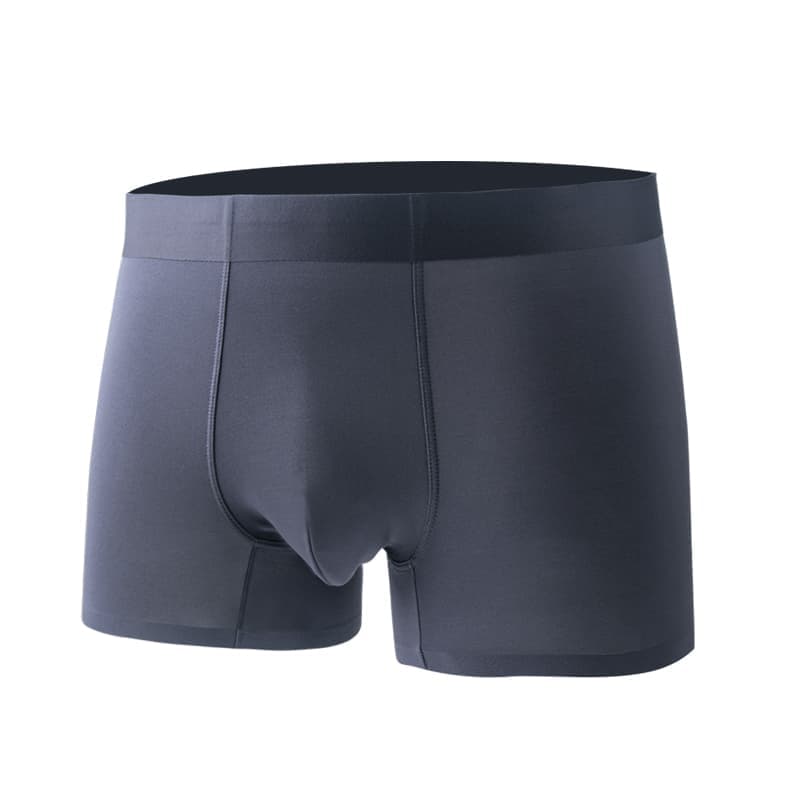
Mens Underwear
Multi-Pack Value Boxer Briefs Wholesale - Family Pack
Multi-Pack Value, Consistent Quality, Family Pack Size. MOQ: 1000 pieces. Material: Cotton Blend (80% Cotton, 15% Polyester, 5% Spandex)
$2.20
Mens Underwear
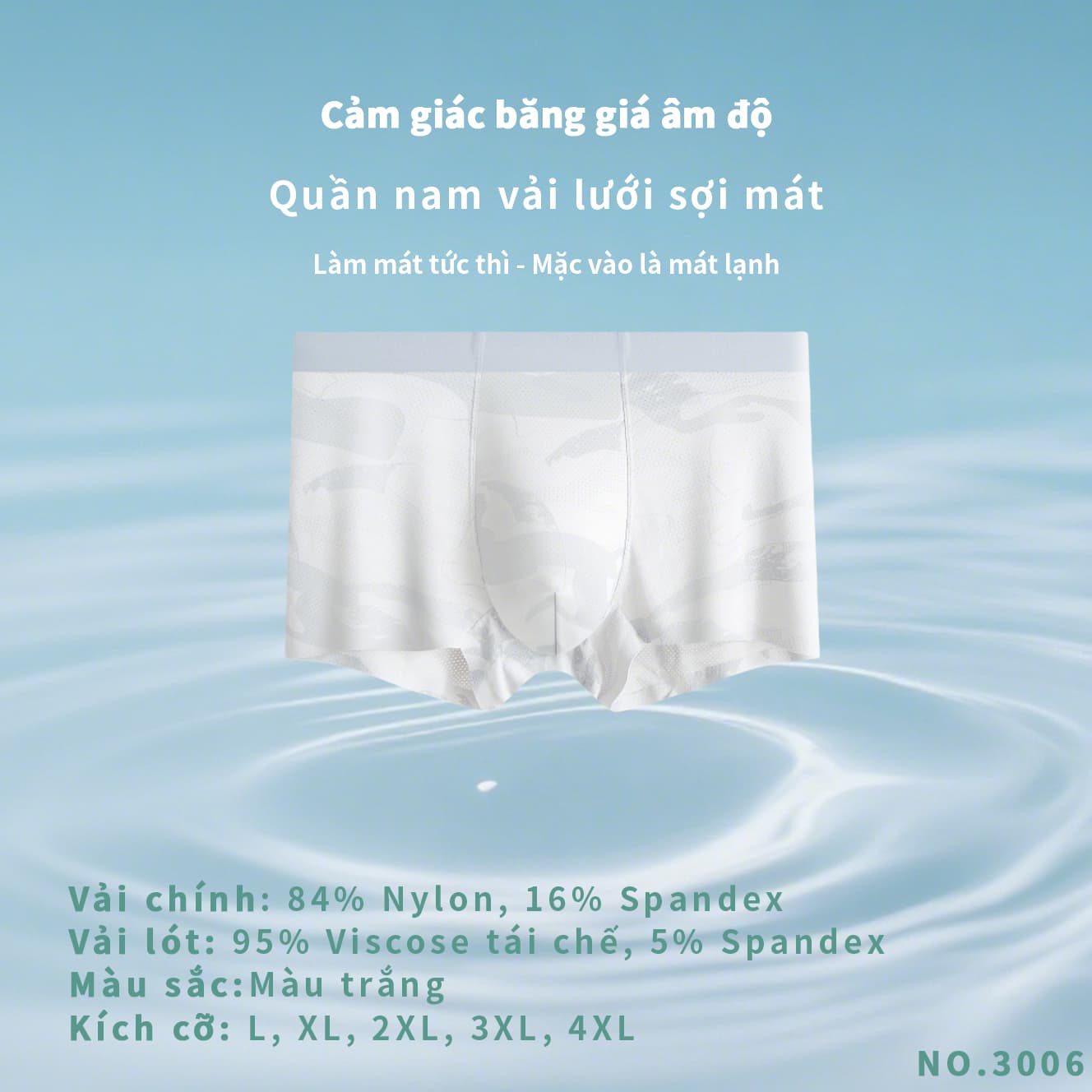
Seamless Boxer Briefs Wholesale - No-Show Underwear
Seamless Construction, No-Show Design, Invisible Under Clothing. MOQ: 500 pieces. Material: Seamless Blend (90% Nylon, 10% Spandex)
$8.00
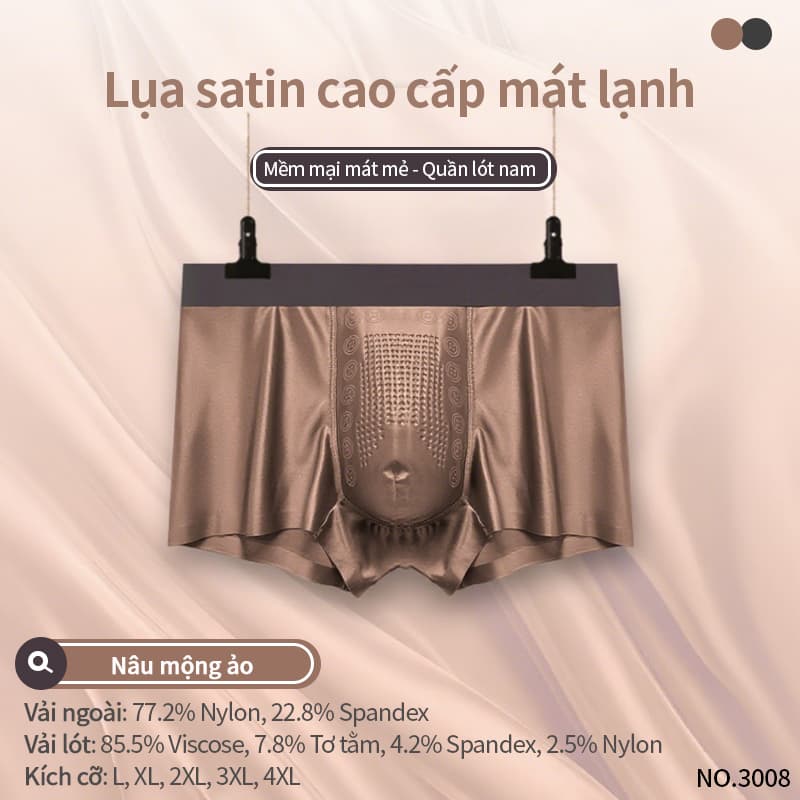
Mens Underwear
Classic Cotton Boxer Briefs Wholesale - Comfortable Daily Wear
100% Premium Cotton, Reinforced Stitching, Classic Fit. MOQ: 600 pieces. Material: 100% Premium Cotton
$3.50
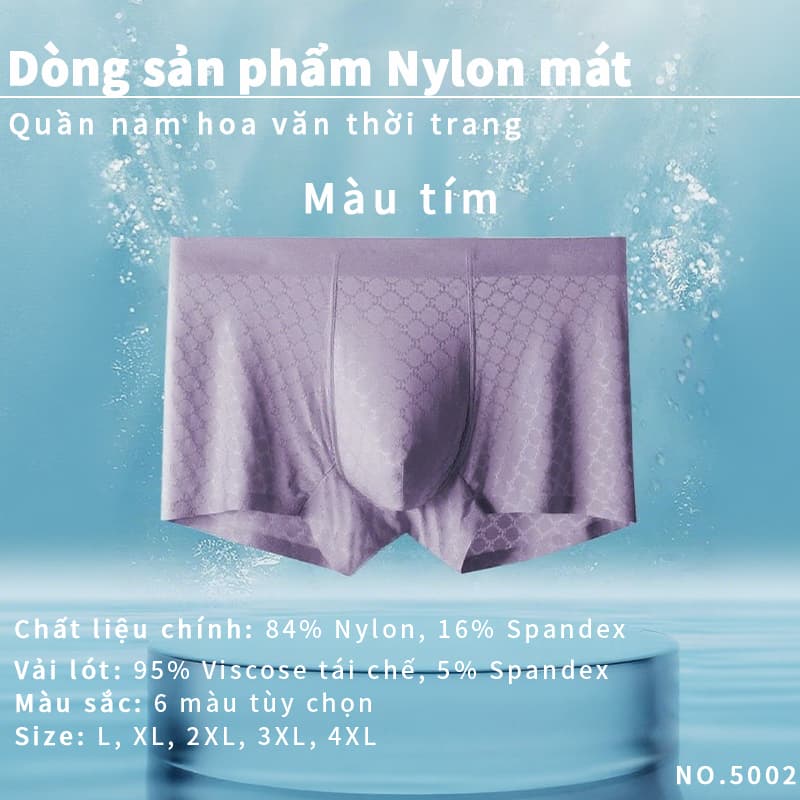
Mens Underwear
Ice Silk Boxer Briefs Wholesale - Cooling Summer Underwear
Ice Silk Fabric, Cooling Sensation, Ultra-Thin. MOQ: 550 pieces. Material: Ice Silk Blend (88% Nylon, 12% Spandex)
$6.80

Mens Underwear
4-Pack Men's Ice Silk Boxer Briefs - Ultra-Soft Breathable Underwear for Summer
Premium 4-pack men's ice silk boxer briefs featuring ultra-soft breathable fabric, 3D contour pouch design, and moisture-wicking technology for all-day comfort.
$12.99
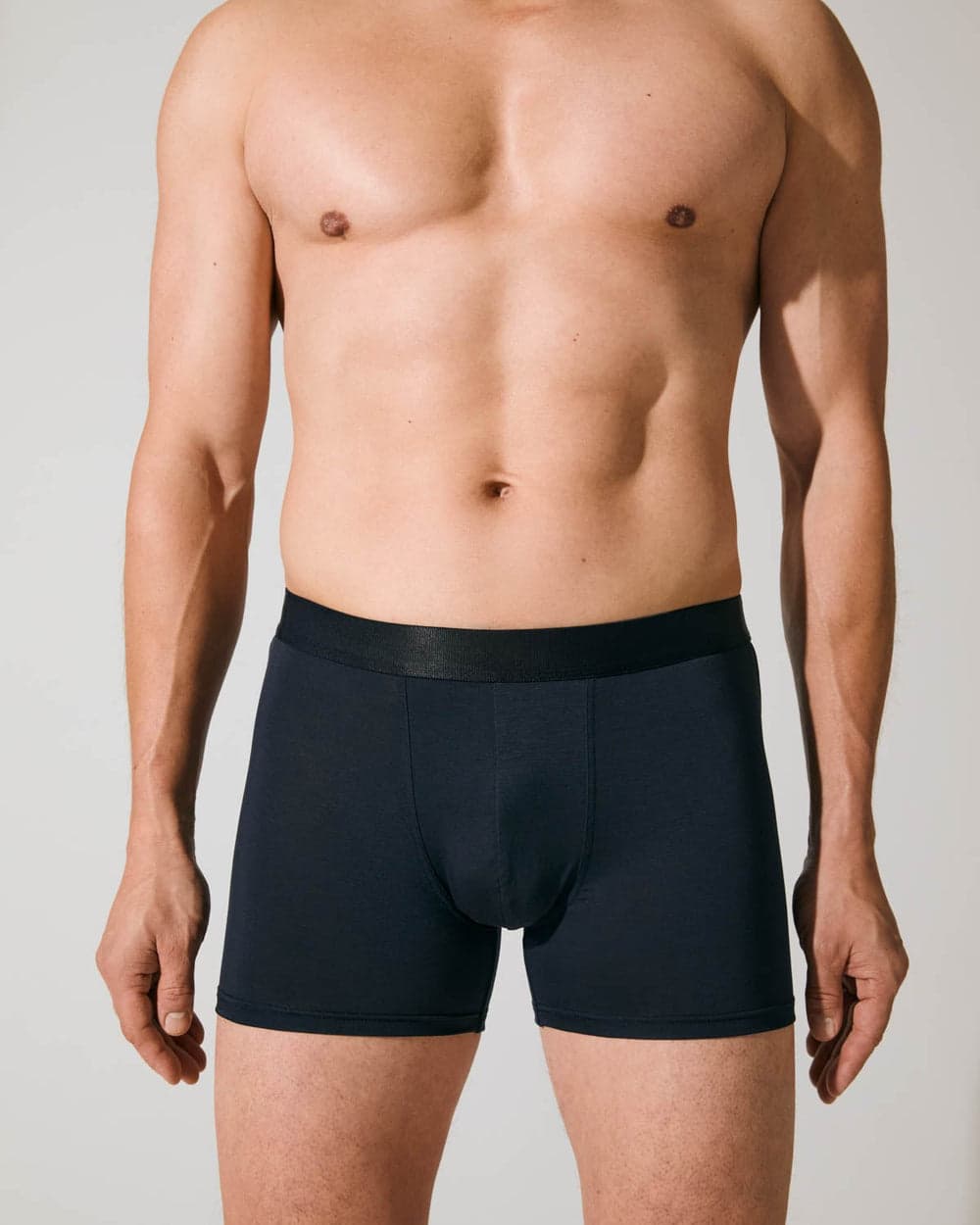
Mens Underwear
Premium Lyocell Men's Boxer Brief - Dark Navy
Premium lyocell boxer brief in dark navy with silk-like softness, superior breathability, and moisture-wicking properties. Features enhanced pouch and no-tag construction.
Mens Underwear
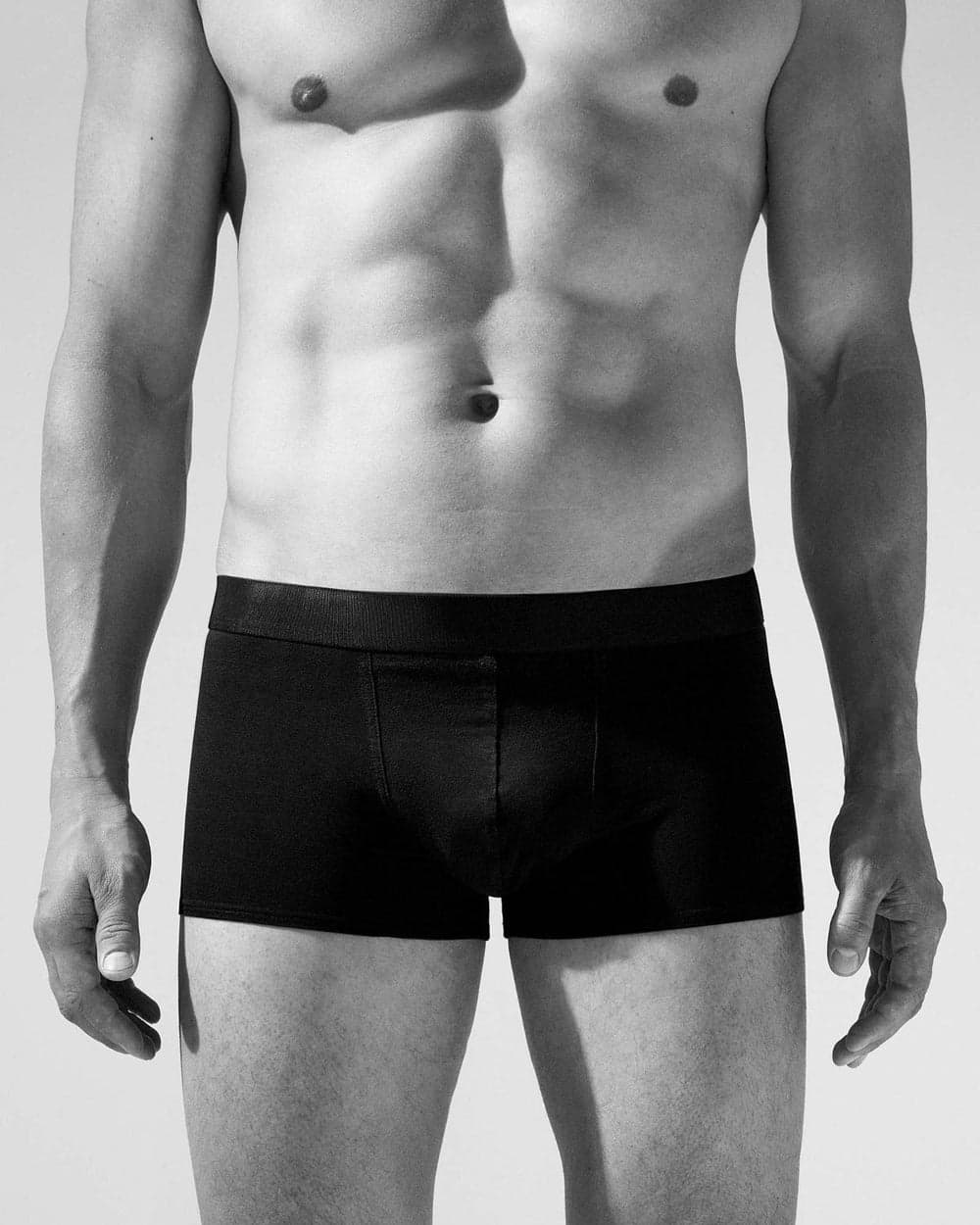
Premium Lyocell Men's Boxer Trunk - Black
Premium lyocell boxer trunk with low waist, short leg design. Silk-like softness, superior breathability, and moisture-wicking properties.
← Hover to pause →Touch to pause