
A comprehensive guide to the best fabrics for mens underwear. Learn about cotton, modal, bamboo, and...
Top 10 Mens Underwear Fabrics for B2B Retailers
Choosing the right mens underwear fabrics determines your success. It affects comfort level. Also, it defines your durability. Most importantly, it drives your sales. In this market, offering the right mix of fabric types is vital. Whether you are a startup or an established B2B retail materials buyer, this guide is for you.
Why Fabric Choice Matters
Fabric is the heart of underwear. Customers feel it first. If it is rough, they return it. Similarly, if it shrinks, they complain. Thus, selecting high-quality mens underwear fabrics is key. Also, different markets prefer different feels. For instance, sports brands need nylon. In contrast, luxury brands need silk. Or they need modal. So, knowing your options saves you money. Ultimately, it builds your reputation.
1. Cotton: The Classic Choice
Cotton is the most common of all mens underwear fabrics. It is breathable. It is soft. Also, it is cheap. Specifically, comprised cotton is a step up. It removes short fibers. As a result, it is stronger. Also, it is softer. For mass-market B2B retailers, cotton is a safe bet. Yet, it dries slowly.
2. Modal: The Softness King
Modal comes from beech trees. It is semi-synthetic. Surprisingly, it is 50% more absorbent than cotton. It feels cool to the touch. Many luxury brands use modal. It resists shrinking. Besides, it holds color well. Modal is popular among mens underwear fabrics. Thus, it is ideal for premium lines. In fact, customers love its silky feel.
3. Bamboo Viscose: The Eco-Friendly Option
Bamboo is trending. It grows fast. It is naturally clean. For mens underwear fabrics, it offers a silky texture. Also, it wicks moisture well. Eco-conscious consumers love it. Typically, it costs more than cotton. Yet, it is cheaper than silk. Indeed, it is a balanced choice.
4. Polyester: The Performance Workhorse
Polyester is synthetic. It is durable. It creates bold prints. Generally, it is used in sports underwear. It does not stretch much. It usually needs a blend. However, it can trap heat. Ideally, use wicking polyester for activewear. For this reason, it is a staple for gym brands.
5. Nylon: Strong and Smooth
Nylon is tough. It is smooth unlike cotton. It keeps shape well. Often, it is used in microfiber blends. It feels sleek against the skin. So, it is popular in gym wear. It dries very fast. Indeed, it is built for speed. Moreover, it lasts a long time.
6. Spandex (Elastane): The Stretch Factor
You rarely see 100% Spandex underwear. It is a blend partner. Adding 5-10% Spandex gives stretch. It allows movement. Without it, underwear sags. Almost all modern mens underwear fabrics include some Spandex. It ensures a snug fit. Notably, it recovers its shape well.
7. Merino Wool: Nature’s Tech Fabric
Wool for underwear? Yes. Merino wool is fine. It is not itchy. It regulates temperature. It warms you in winter. It cools you in summer. Plus, it fights odors naturally. It is expensive. Thus, it is for high-end outdoor brands. In short, it is a niche choice.
8. Tencel (Lyocell): Sustainable Luxury
Tencel is a brand of Lyocell. It is made from wood pulp. It is very green. It is softer than cotton. It manages moisture well. As green trends grow, Tencel becomes a top choice in fabric types. It is premium priced. Learn more about Lyocell here. Also, it rot naturally.
9. Silk: The Traditional Luxury
Silk is natural. It is smooth. It screams luxury. However, it is hard to care for. It needs hand washing. It is weak when wet. Thus, it is a niche market. Silk is rare in mens underwear fabrics catalogs. Few B2B retail materials catalogs sell pure silk today due to cost. Yet, it has loyal fans.
10. Microfiber: The Modern Blend
Microfiber is a fine synthetic blend. Usually nylon and polyester. It feels like a second skin. It is light. It prevents chafing. Many men prefer it for daily wear. It is versatile. Also, it prints well.
Comparative Analysis of Fabrics
To help you choose, here is a comparison table:
| Fabric | Comfort | Durability | Cost | Best For |
|---|---|---|---|---|
| Cotton | High | Medium | Low | Everyday Basics |
| Modal | Very High | High | Medium-High | Premium Comfort |
| Bamboo | High | Medium | Medium | Eco Brands |
| Polyester | Medium | Very High | Low | Sports/Prints |
| Merino Wool | High | High | Very High | Outdoor/Tech |
Sustainability Trends in Men's Underwear Fabrics
Green rules are not just a buzzword. It is a demand. Buyers now check labels. They want eco-friendly options. So, fabrics like organic cotton and recycled polyester are growing. Brands that ignore this trend risk losing customers. For instance, GOTS is a big standard. Thus, when buying B2B retail materials, ask suppliers about their green proof. Offering sustainable options can justify a higher price. It also aligns your brand with modern values.
Quick Checklist for Buyers
Before you buy, check these mens underwear fabrics points:
- Hand Feel: Is it soft to the touch?
- Stretch: Does it recover well?
- Weight: Is it too thin or thick?
- Cost: Does it fit your margin?
- Source: Is it one of the top mens underwear fabrics?
How to Choose for Your Market
Picking the right mens underwear fabrics depends on your target. If you sell cheap packs, use Cotton or Polyester. Conversely, if you sell luxury, pick Modal or Tencel. If you target athletes, go for Nylon or Microfiber. Always request samples. Feel the fabric types yourself. Above all, look for quality.
Moreover, consider the season. Wool sells in winter. Bamboo sells in summer. Align your stock with the weather. This boosts sales significantly.

Conclusion
In short, the world of mens underwear fabrics is vast. From humble cotton to luxe silk, each has a place. As a retailer, diversity is key. Offer a mix. Test what sells. Listen to feedback. Ultimately, quality B2B retail materials build trust. Start buying better fabrics today.
Want to see samples? Contact Us for a fabric swatch book. We supply all these fabric types.
For more insights, read our MOQ Guide or explore 2025 Trends.
Invest in quality fabric. Your customers will thank you.
End of Dispatch • December 11, 2025
- Sponsored Collection -
Featured Products
Mens Underwear
Ice Silk Boxer Briefs Wholesale - Cooling Summer Underwear
Ice Silk Fabric, Cooling Sensation, Ultra-Thin. MOQ: 550 pieces. Material: Ice Silk Blend (88% Nylon, 12% Spandex)
$1.20
Mens Underwear
Bamboo Fiber Boxer Briefs Wholesale - Eco-Friendly Underwear
Bamboo Fiber Fabric, Eco-Friendly, Anti-Bacterial. MOQ: 450 pieces. Material: Bamboo Blend (95% Bamboo Fiber, 5% Spandex)
$0.70
Mens Underwear
Athletic Performance Boxer Briefs Wholesale - Sport Underwear
4-Way Stretch Fabric, Moisture Management, Ergonomic Design. MOQ: 400 pieces. Material: Performance Blend (92% Polyester, 8% Spandex)
$0.65
Mens Underwear
Luxury Pima Cotton Boxer Briefs Wholesale - Premium Quality
Premium Pima Cotton, Superior Softness, Exceptional Durability. MOQ: 300 pieces. Material: Pima Cotton Blend (95% Pima Cotton, 5% Spandex)
$0.99
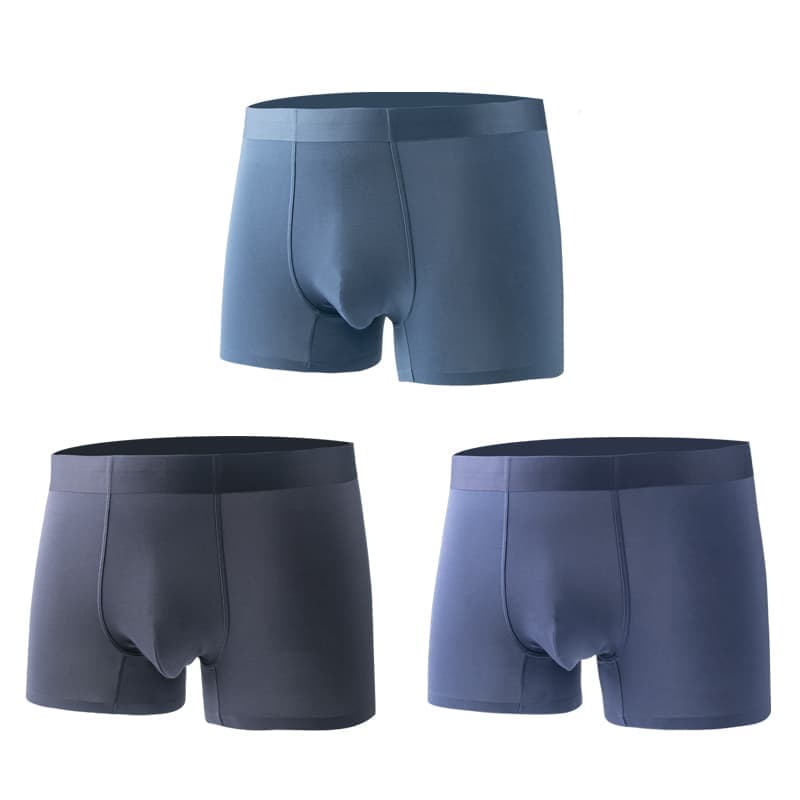
Mens Underwear
Multi-Pack Value Boxer Briefs Wholesale - Family Pack
Multi-Pack Value, Consistent Quality, Family Pack Size. MOQ: 1000 pieces. Material: Cotton Blend (80% Cotton, 15% Polyester, 5% Spandex)
$0.99
Mens Underwear
Seamless Boxer Briefs Wholesale - No-Show Underwear
Seamless Construction, No-Show Design, Invisible Under Clothing. MOQ: 500 pieces. Material: Seamless Blend (90% Nylon, 10% Spandex)
$0.50
Mens Underwear
Premium Modal Boxer Briefs Wholesale - Ultra Soft Men's Underwear
Premium Modal Fabric, Ultra-Soft Touch, Moisture-Wicking. MOQ: 500 pieces. Material: Modal Blend (95% Modal, 5% Spandex)
$0.99
Mens Underwear
Classic Cotton Boxer Briefs Wholesale - Comfortable Daily Wear
100% Premium Cotton, Reinforced Stitching, Classic Fit. MOQ: 600 pieces. Material: 100% Premium Cotton
$1.30
← Hover to pause →Touch to pause