What Is The Meaning Of The Mask?
ByYXLP
February 6, 2026Vol. 2026
Masks have always been a part of human culture – from ancient times to modern day. Their meanings, h...
Executive Summary
Masks have always been a part of human culture – from ancient times to modern day. Their meanings, however, have changed over time and vary across different societies and...

This guide explains what is the meaning of the mask? from a practical B2B sourcing perspective, helping brands reduce sampling risk, control quality, and make faster purchasing decisions.
Masks have always been a part of human culture – from ancient times to modern day. Their meanings, however, have changed over time and vary across different societies and traditions. In light of the COVID-19 pandemic, masks have taken on a new significance, as we now associate them with personal protective equipment and public health measures. In this article, we will explore the different meanings of masks throughout history and in different contexts.
Historical and Cultural Significance of Masks
Masks have been worn for a variety of purposes throughout history, ranging from religious and ceremonial to theatrical and costume. In ancient Greece, actors wore masks to portray different characters on stage, while in Japanese Noh theater, masks were used to represent spirits and deities. Masks were also used in traditional African cultures for spiritual and ritualistic purposes, such as connecting with ancestors or invoking spirits.
Aside from theatrical and cultural contexts, masks have also held practical significance throughout history. During the Black Death in the 14th century, doctors wore masks with long beaks filled with herbs and spices in an attempt to protect themselves from the disease. In industrial settings, masks have been used to protect workers from harmful substances such as dust and chemicals.
The Meaning of Masks in Modern Times
Key Insights for Buyers
- In recent years, masks have become a symbol of political and social activism. In Hong Kong, protesters wore masks during the 2019 demonstrations as a way to protect their identity from facial recognition technology and police surveillance. Similarly, in the United States, masks have become politicized during the COVID-19 pandemic, with some individuals refusing to wear them as a statement of political ideology.
- However, for many individuals around the world, masks have become a necessary tool for protecting oneself and others from COVID-19. Health officials recommend the use of masks in public settings as a way to prevent the spread of the virus, as it is spread through respiratory droplets.
- There are many different types of masks that are currently being used to prevent the spread of COVID-19, each with varying levels of effectiveness. Surgical masks, which are also known as medical masks, are designed to protect the wearer from large droplets and splashes of fluid, but do not provide complete protection against airborne particles. N95 respirators, on the other hand, are designed to filter out at least 95% of airborne particles, but are expensive and in short supply.
- Cloth masks have also become a popular choice for individuals looking to protect themselves and others from COVID-19. These masks are typically made from cotton or other breathable materials, and can be washed and reused. However, cloth masks are less effective than surgical masks or N95 respirators, and should be washed frequently to maintain their efficacy.
- In conclusion, the meaning of masks has evolved over time and varies across different cultures and contexts. From religious and theatrical purposes to practical applications in industrial and medical settings, masks have held a significant role throughout history. In modern times, masks have become a symbol of political and social activism, as well as a necessary tool for preventing the spread of disease. As we continue to navigate the COVID-19 pandemic, it is important that we understand the different types of masks available and their respective levels of effectiveness in order to protect ourselves and others.
Action Checklist
- Confirm fabric, size grading, and trim specifications before sampling.
- Lock in MOQ, lead time, and quality checkpoints in writing.
- Request pre-production confirmation for labels, packaging, and compliance standards.
- Use a pilot run to validate fit, durability, and customer feedback before scale-up.
If you are planning OEM/ODM underwear sourcing, prepare your tech pack and target quantity first to speed up quotation and sample approval.
End of Dispatch • February 6, 2026
- Sponsored Collection -
Featured Products
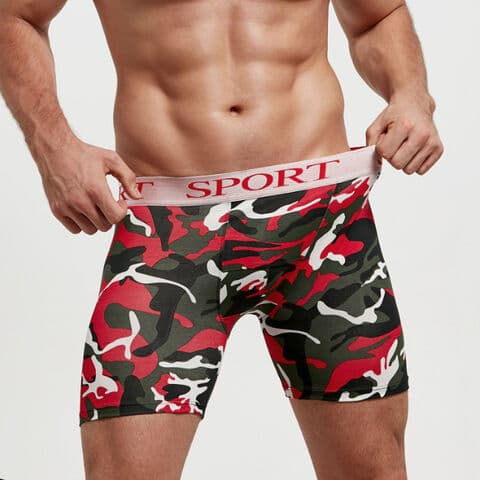
Men's Underwear
Camouflage Printed Breathable Cotton Men's Underwear Boxer Briefs
Camouflage Printed Breathable Cotton Men's Underwear Boxer Briefs from direct underwear manufacturer. Material: cotton. Reference US$ 1.00 - 2.00 / Unit 500 Units (MOQ). MOQ: 500 units. Supports OEM/private label and bu…
RFQ Available

Men's Underwear
Soft Modal Briefs Custom Waistband Logo Men's Boxers Briefs for the wearing Boxer Briefs
Soft Modal Briefs Custom Waistband Logo Men's Boxers Briefs for the wearing Boxer Briefs from direct underwear manufacturer. Material: modal. Reference US$ 1.50 - 1.80 / Unit 500 Units (MOQ). MOQ: 500 units. Supports OE…
RFQ Available

Men's Underwear
Breathable Comfort Underwear Super Stretch Shorts Underwear Men's Boxers Custom Logo
Breathable Comfort Underwear Super Stretch Shorts Underwear Men's Boxers Custom Logo from direct underwear manufacturer. Reference US$ 0.85 - 1.50 / Unit 500 Units (MOQ). MOQ: 500 units. Supports OEM/private label and b…
RFQ Available
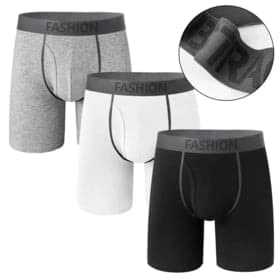
Men's Underwear
Men's Wholesale Custom Logo Solid Male Panties Organic 95 Cotton 5 Spandex Boxer For Private Label Underwear
Men's Wholesale Custom Logo Solid Male Panties Organic 95 Cotton 5 Spandex Boxer For Private Label Underwear from direct underwear manufacturer. Material: cotton. Reference US$ 0.85 - 1.80 / Unit 500 Units (MOQ). MOQ: 5…
RFQ Available
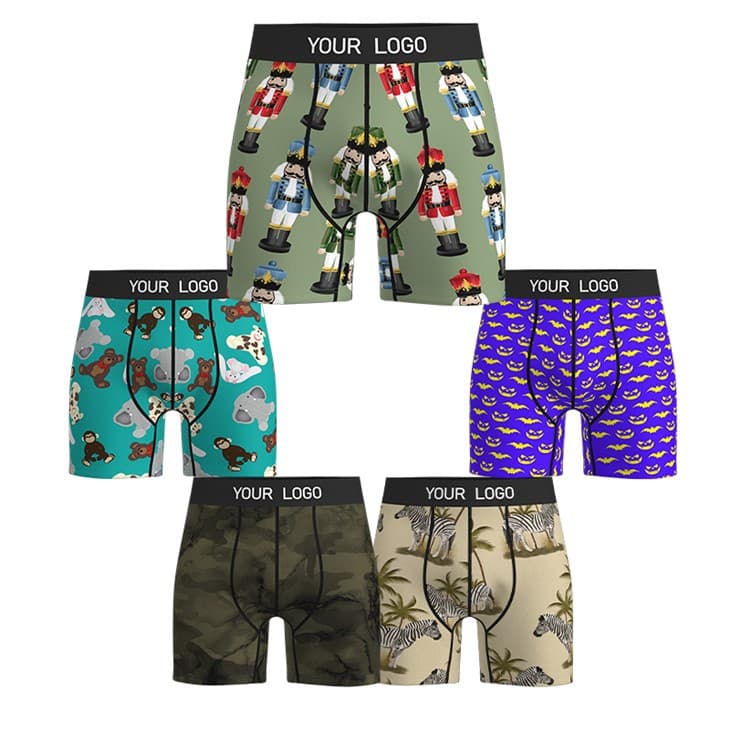
Men's Underwear
Man Boxer Briefs With Hammock in Front
We're well-known as one of the leading man boxer briefs with hammock in front manufacturers and suppliers in China. Please rest assured to buy high quality man boxer briefs with ha
RFQ Available
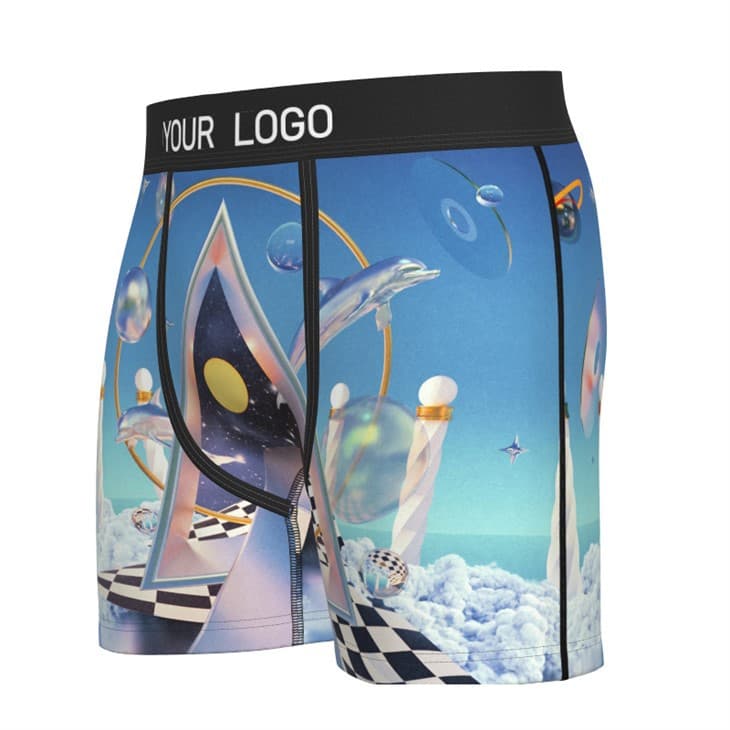
Men's Underwear
Custom Men's Trunk Manufacturer Wholesaler
We're well-known as one of the leading custom men's trunk manufacturer wholesaler manufacturers and suppliers in China. Please rest assured to buy high quality custom men's trunk m
RFQ Available
Men's Underwear
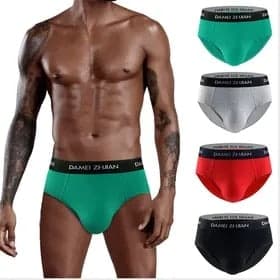
Men's Wholesale custom 100% cotton high elastic boxers brief underwear
Men's Wholesale custom 100% cotton high elastic boxers brief underwear from direct underwear manufacturer. Material: cotton. Reference US$ 1.50 / Unit 500 Units (MOQ). MOQ: 500 units. Supports OEM/private label and bulk…
RFQ Available
Men's Underwear
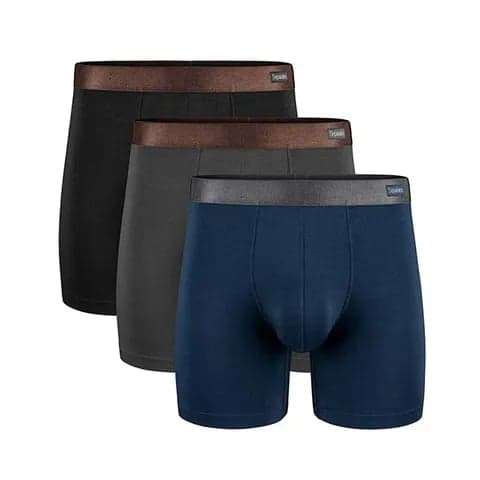
New type top sale popular product men's seamless boxer underwear men's boxer
New type top sale popular product men's seamless boxer underwear men's boxer from direct underwear manufacturer. Reference US$ 0.85 - 1.50 / Unit 500 Units (MOQ). MOQ: 500 units. Supports OEM/private label and bulk whol…
RFQ Available

Men's Underwear
Men's boxer briefs,95% Cotton 5% Elastane men's Brief Wholesale Male Boxer
Men's boxer briefs,95% Cotton 5% Elastane men's Brief Wholesale Male Boxer from direct underwear manufacturer. Material: cotton. Reference US$ 1.00 - 2.00 / Unit 500 Units (MOQ). MOQ: 500 units. Supports OEM/private lab…
RFQ Available

Men's Underwear
Comfortable Valentines Underwear Men's Boxer Briefs
Comfortable Valentines Underwear Men's Boxer Briefs from direct underwear manufacturer. Reference US$ 1.00 - 1.58 / Unit 500 Units (MOQ). MOQ: 500 units. Supports OEM/private label and bulk wholesale supply for global B…
RFQ Available
← Hover to pause →Touch to pause
Global Supply Chain Coverage
We supply high-quality products to major markets worldwide. Explore our regional distribution and compliance standards.